Day 2
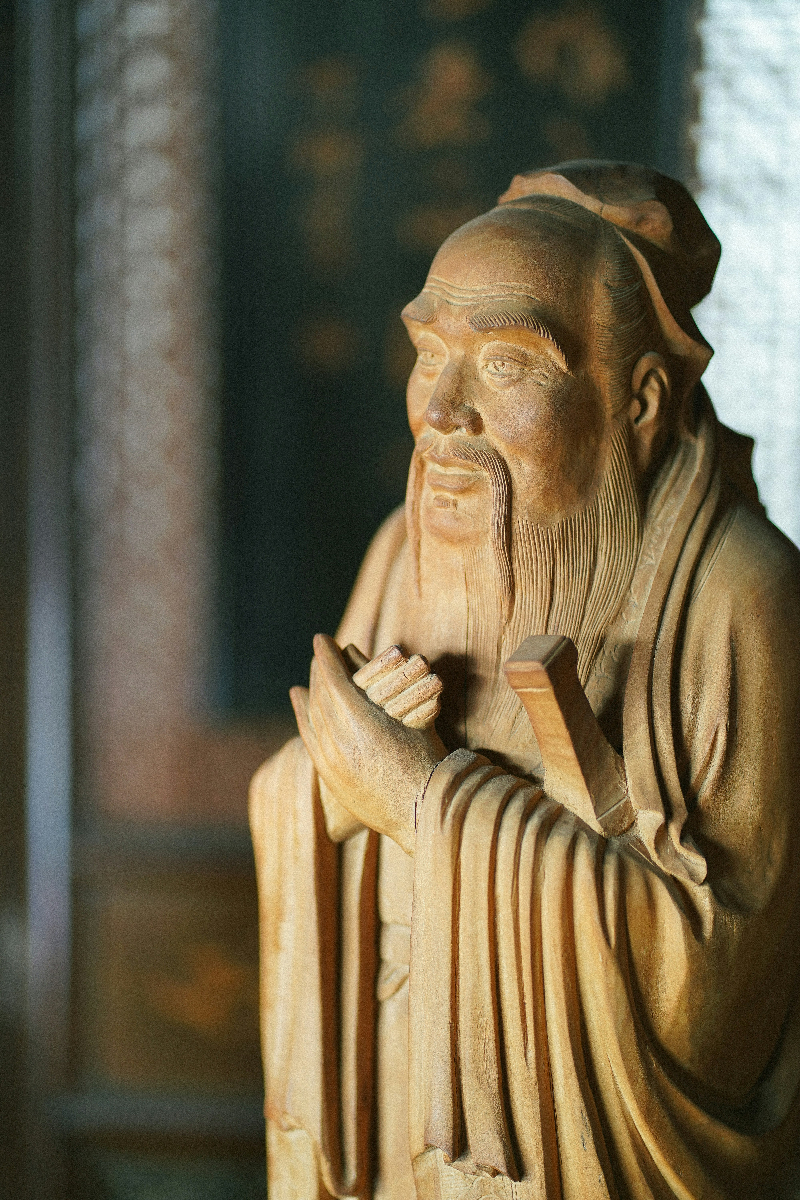
Qufu is the hometown of China’s most revered philosopher, Confucius. Immerse yourself in the timeless teachings as you explore the UNESCO-listed Confucius Temple, Mansion, and Forest. Here, we’ll delve into passages from the Analects, exploring their meanings and debating their relevance in today’s world. Here is the central puzzle: Why has Confucianism, much criticized in China’s 20th century as an impediment to its modernization, is experiencing such a striking revival? Today, the Chinese government celebrates Confucianism as a cultural treasure, exemplified by the establishment of the Confucius Institute in 2004, while some intellectuals in China begin to call for the creation of a new Confucian – not Communist – constitutional order. What lies behind this dramatic reversal? Together, we’ll examine the political, social, and cultural forces driving this resurgence and consider how they will shape China’s identity in the 21st century.
Itinerary
| Time | Activity | Notes |
|---|---|---|
| 8:00 AM | Breakfast at hotel | |
| 9:30 AM | Guided tour of Confucius Temple (Kong Miao) | Explore the UNESCO World Heritage Site and learn about Confucian traditions. |
| 11:00 AM | Walk to Confucius Mansion (Kong Fu) | Visit the historic home of Confucius’s descendants. |
| 12:30 PM | Lunch at a local restaurant | |
| 2:00 PM | Visit Confucius Forest (Kong Lin) | Stroll through the ancient cemetery and reflect on Confucius’s legacy. |
| 4:00 PM | Gather for debrief and discussion at a tea house or park | Reflect on the day’s experiences and discuss Confucianism’s modern revival. |
| 5:00 PM | Free time for independent exploration or shopping in Qufu Old Town | Students can visit local markets, tea houses, or lesser-known historical sites. |
| 6:30 PM | Dinner at a local restaurant | |
| 8:00 PM | Free evening |
Readings
- Confucius: Selection from The Analects
- 4: 1-14, 16-17
- 5: 1-6, 8-12, 15, 17-21, 23-25, 27-28
- 6: 1-14, 16, 18-23, 25-27
- 7: 1-3, 5-8, 12, 14, 16-17, 19-20, 22-24, 26, 28-30, 33-35
- 8: 3, 5-7.
- Chapter 4, “What’s Wrong with Corruption” and Chapter 6, “Teaching Confucianism in China”1
- Chapter 1, “From Communism to Confucianism: Changing Discourses on China’s Political Future”2